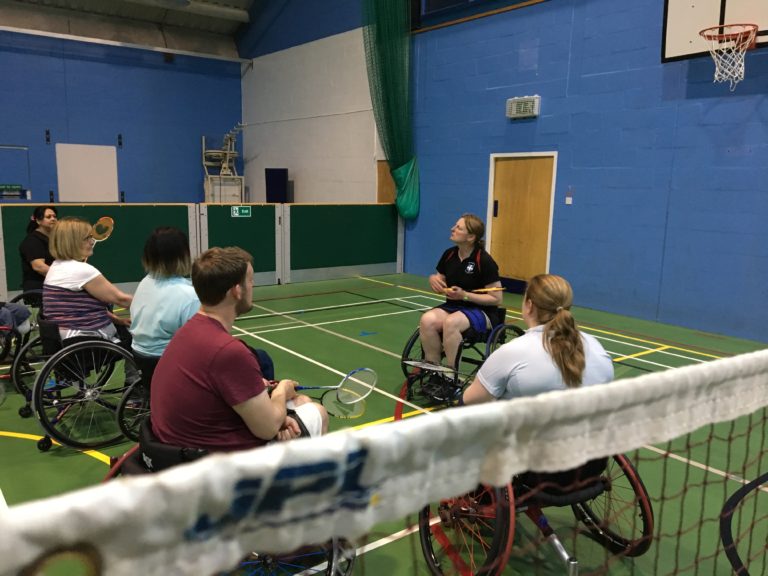
 More and more sports clubs across Kent and Medway are welcoming neurodivergent children and young people into their sessions. This includes participants with ADHD, autism, dyslexia and other forms of neurodivergence, who may experience differences around attention, anxiety, sensory processing, transitions, confidence or social communication.
Coaches often raise questions about neurodiversity not because they don’t care, but because most coach education focuses on technical delivery rather than how to adapt when a young person appears overwhelmed, withdrawn, impulsive or “stuck”. Without the right support, these children and young people can end up drifting away from sport, even when they enjoy being active.
Swap Labels for Clues
 When behaviour feels challenging, it can be tempting to label a child as “naughty”, “lazy” or “not trying”. Instead, treat what you are seeing as a clue. The behaviour may be signalling unclear expectations, transition stress, sensory overload (noise, lighting, touch, crowding), fear of getting something wrong, a nervous system that is already at capacity.
Reframing helps coaches respond with curiosity rather than frustration and creates a more supportive environment for everyone involved.
Creating more inclusive sessions does not mean rewriting your entire programme or having clinical expertise. In many cases, small, practical adjustments can reduce stress for coaches and help neurodivergent participants feel safer, calmer and more able to take part.
Quick Wins
- Make sessions predictable
Share a simple “session map” at the start, using three to five bullet points to show what will happen and in what order. Predictability helps reduce anxiety and builds confidence. - Use clear, positive language
Give one instruction at a time. Where possible, check understanding quietly rather than in front of the group. This avoids embarrassment and supports learning. - Build in a reset option
Offer a brief, acceptable way to step back if things feel overwhelming. This might be a water break, a short “helper job”, or access to a quiet space for a minute or two. - Offer choices instead of ultimatums
Providing limited choices, such as “Would you like to start here or here?”, supports autonomy and reduces power struggles. - Handle corrections privately
Calling a child out in front of others can trigger shame and withdrawal. A quiet word to the side is often more effective and helps maintain trust. - Support transitions clearly
Give a short warning before changing activities and explain what is coming next. Clear transitions reduce uncertainty and help participants stay regulated.
A light‑touch awareness approach can help coaches and volunteers feel more confident in recognising neurodivergent needs and responding well. Importantly, this does not rely on diagnosis or labels. It focuses on understanding, flexibility and practical adjustments that can be embedded into everyday practice.
About the author
Tamzin Reid is a high‑performance sports coach and British Gymnastics tutor and assessor, with over 30 years’ coaching experience. She is neurodivergent (dyslexic and ADHD) and brings both lived experience and professional insight to her work supporting coaches to create more inclusive, understanding sporting environments.
Supporting Clubs and Coaches
Active Kent & Medway is committed to supporting clubs through short, accessible awareness sessions based on lived experience and practical coaching strategies. These can act as a starting point, with clearer pathways available for clubs who want to deepen their learning. If you’re interested in these awareness sessions, please contact Jimmy or Rachel, your local Sport Welfare Officers via email: sportwelfare@kent.gov.uk