Thanet Street Sports Test & Learn (Summer 2025)
Working in Place
In November 2023, Sport England announced investment under the Uniting the Movement Strategy into place, emphasising hyperlocal co-created solutions to tackle inactivity and inequalities in areas identified as having the greatest need. This place-based approach puts communities at the heart of change with local organisations and residents working together to create the outcomes and opportunities they want to see.
Thanet, one of the most deprived districts in Kent, faces significant challenges including low physical activity rates among children and young people, elevated levels of youth related anti-social behaviour, and limited access to safe recreational spaces.
A community-led intervention was designed to address these inequalities in three high-need areas in Thanet: Dane Valley Recreation Ground, Boundary Road Park, and Newington Green. Building on the success of a 2024 pilot in Cliftonville, the initiative sought to activate underutilised public spaces through inclusive, drop-in physical activity sessions tailored to local needs.
Thanet Street Sports
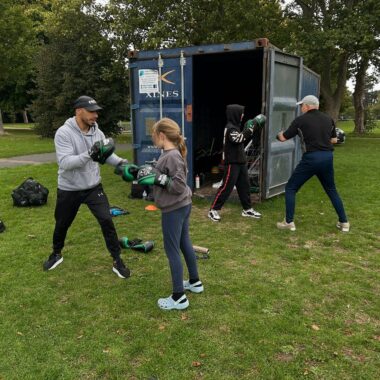
The Thanet Street Sports project provided free, inclusive multi-sport sessions across the 2025 summer holidays for young people aged 9-15 years.
Sessions took place between 5-7pm on Mondays, Wednesdays and Fridays at Dane Valley Recreation Ground, Boundary Road Park, Newington Park.
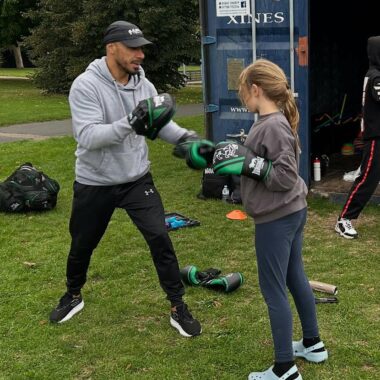
Sessions offered street football, skateboarding, boxing, dance and circus skills, all run by local deliverers.
Using a Community Based Participatory Action Research (CBPR) approach in the design, delivery and data collection allowed communities and evaluators to work together to make a positive change.
- Consultation – Initial focus was placed on understanding each park’s strengths and barriers through site visits and conversations with local stakeholders and young people. Building relationships and gathering insight to shape programme design. This meant the project was grounded in community voice and lived experience.
- Co-development – Insight tools were co-developed with delivery partners and a Youth Advisory Group of seven 11–15-year-olds was established to help refine questions, shape data collection and support delivery. This ensured the project was youth-led, relevant and responsive to community needs.
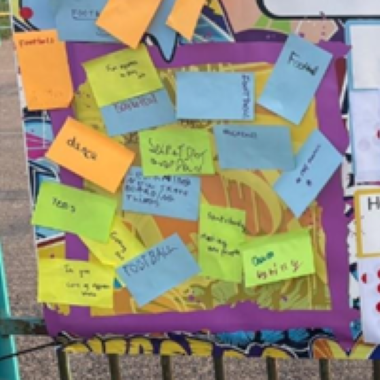
- Participatory Data Collection – An inclusive, creative and youth-friendly data collection approach using sticker boards and ‘pitch side reporters’ was co-designed with deliverers and the Youth Advisory Group. This made sure data gathering was participatory, engaging and embedded in programme delivery.
“The strengths of this project have been the number of volunteers and paid staff who played with the children. They did not just stand and watch. There was no paperwork to fill in or data collection. We are all fed up with being used for marketing purposes. Children just rocked up and played hard for 2 hours.” Deliverer
Impact
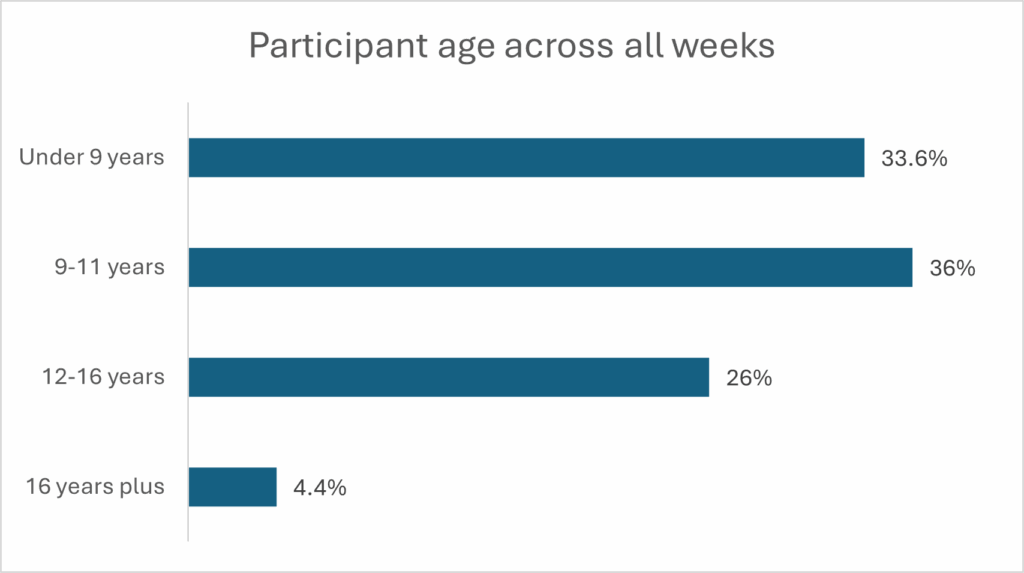
The Street Sport sessions were most popular among children aged 9-11, followed closely by under 9s. Lower engagement from those aged 12-15, with especially low participation from young people aged 16+.
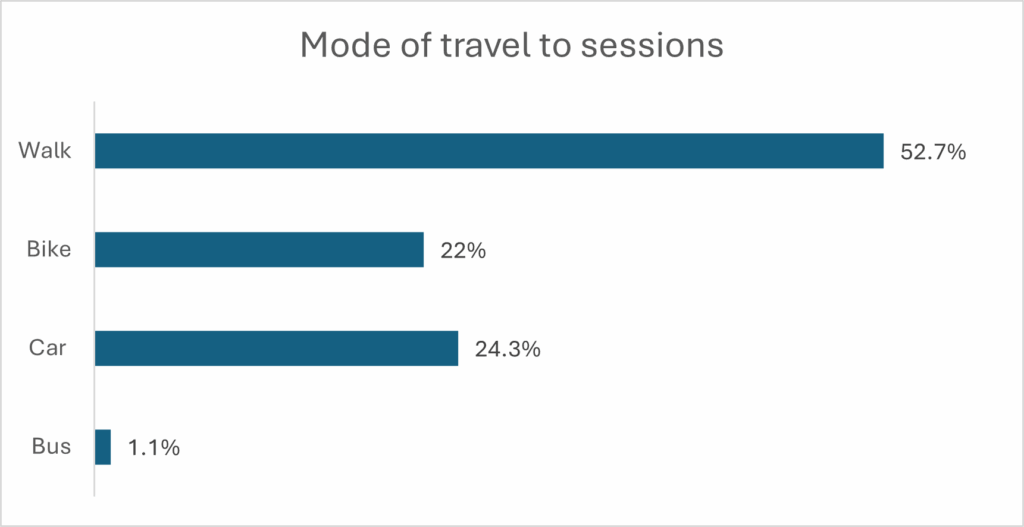
Most participants walked to sessions, indicating local engagement. Bikes and cars were also used, suggesting some young people travelled outside of their immediate area.
Data highlights inter-park mobility, especially between Boundary Road and Newington Green, suggesting strong engagement and social connections across locations. Similar cross over was seen between Dane Valley and Newington, though less distinct.
Reflections
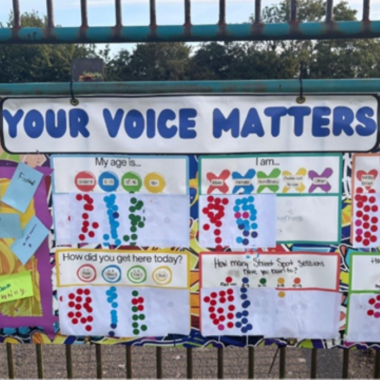
Listening and Learning from Communities
The project showed that genuinely listening to and involving young people in shaping activities led to more relevant, engaging, and empowering sessions, with deliverers adapting delivery based on ongoing feedback. However, limited time for pre‑engagement, structural constraints, and representation gaps, particularly among older teens and girls highlight the need for earlier and deeper youth involvement in future place-based initiatives.
“I think we need to ask the kids what they want. So, if they want dodgeball or any other sport that they like, then we can bring it to the park. It’s not just about what we think they’ll enjoy, it’s about actually asking them and letting them shape it. That way, they feel like it’s theirs.” Youth Advisory Group Member
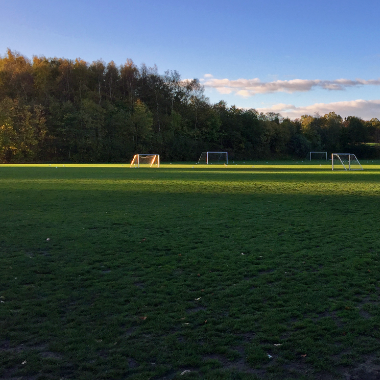
Creating Safe, Inclusive, Welcoming Spaces
The Street Sport Sessions highlighted that young people’s sense of safety, inclusion, and belonging was strongly shaped by environmental conditions, such as poor lighting, damaged facilities, and intimidating social dynamics. While the project worked hard to create welcoming spaces, challenges like dispersal orders, limited trauma training, and inadequate infrastructure highlighted the complexities of fostering safe, inclusive environments for youth.
“I am just a small woman. I didn’t know how to deal with it. I just took a step back. I feel like I need training in how to handle these situations. It’s not just about sport, it’s about being able to support these kids when things get tough.” Deliverer
Building Trusting Relationships
Trust emerged as a vital foundation of the sessions, shaping how deliverers, young people, and the wider community engaged with the project. Consistent, empathetic, and locally informed delivery helped young people feel seen, respected, and comfortable enough to return, participate fully, and build meaningful peer connections. However, this also highlighted the importance of sustained investment, as young people valued the stability of relationships that extended beyond short-term funding cycles.
“Same children coming back… they naturally know where they fit in. They go straight to volleyball or football and kind of know their space. That’s what you want to see, kids feeling comfortable and confident in their environment.” Deliverer
Addressing Structural Barriers
Young people faced structural barriers such as poor facilities, limited transport, food insecurity, and a lack of accessible information, all of which restricted their ability to participate fully in physical activity. While the project helped surface these challenges, its short duration and limited cross‑sector coordination highlighted the need for broader, long‑term, place‑based solutions that address the systemic conditions shaping youth opportunities.
“If we had food at these events, it would be just that game changer. Food brings them in and we all sit down at the floor. You eat with them and that’s when you get to talk to them. It’s not just about sport. It’s about nourishment and connection.” Facilitator
Applying the Learning
The Street Sport sessions demonstrated the value of participatory, community‑led delivery, highlighting the importance of youth co‑creation, trusted deliverers, strong governance, and sustained investment.
To achieve long‑term impact, future work must extend project duration, strengthen collaborative governance, integrate Community Connectors, and embed learning into wider system change so that public spaces become equitable, inclusive environments for the local community.
Full Report
Follow this link to read the full Thanet Street Sports Report (Download PDF)
If you require the report in an alternative format, please email activekent@kent.gov.uk
If you’d like to discuss the findings of the report, please contact Alexia Tam, our Insight, Evaluation and Learning Officer on 03000 415879 or email: alexia.tam@kent.gov.uk