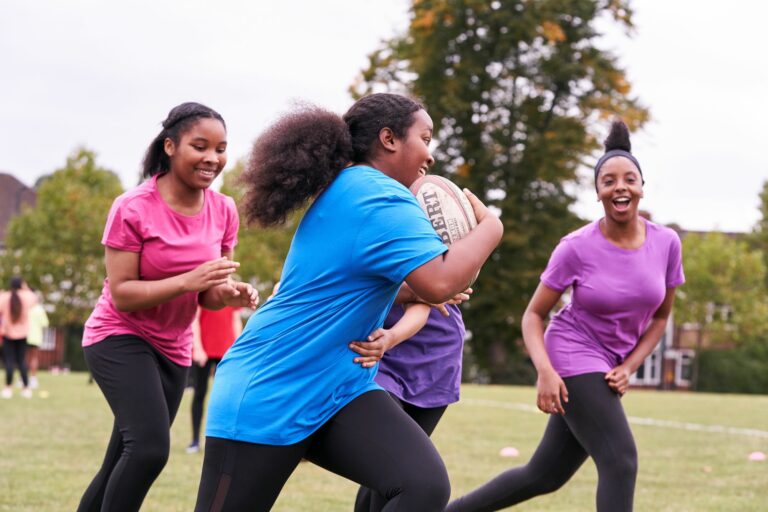
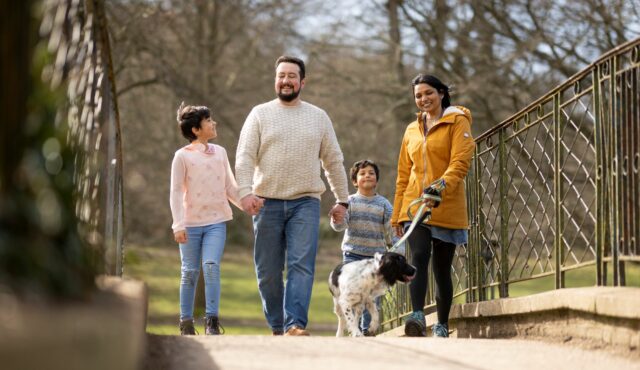
February marks LGBTQ+ History Month, a time to celebrate diversity, raise awareness and reflect on how we can create spaces where everyone feels welcome. Sport and physical activity have the power to bring communities together, improve wellbeing and foster belonging, but for many individuals, participation can still feel out of reach.
Understand the Barriers
Research and lived experiences highlight several challenges LGBTQ+ people face when engaging in sport and physical activity:
- Fear of Discrimination or Harassment
Negative past experiences, homophobic or transphobic language and lack of visible allies can make individuals feel unsafe in sporting environments. Research shows that more than half of LGBTQ+ young people do not take part in organised physical activity, often due to bullying and low perceived safety. 1 in 4 LGBTQ+ people (26–27%) do not feel welcome in live sports events or community sport groups, whilst 1 in 3 Black, Asian and minority ethnic LGBTQ+ people (34%) report discrimination at sports events, highlighting the need for intersectional inclusion. - Facilities and Changing Spaces
Gendered changing rooms and lack of gender-neutral facilities often create anxiety for trans and non-binary participants. Research shows, 1 in 5 LGBTQ+ people (22%) experienced discrimination at a fitness club in the last year. National guidance highlights that trans and non‑binary people frequently experience changing‑room anxiety, making gender‑neutral or private facilities crucial for safe participation. - Policy and Eligibility Rules
Competitive fairness policies can unintentionally exclude transgender athletes, creating confusion and barriers to participation. Despite the debate, trans athletes make up a tiny fraction of participants nationally, fewer than 10 out of 510,000 college athletes, yet often face disproportionate scrutiny. - Representation and Visibility
When LGBTQ+ identities aren’t reflected in marketing, individuals may feel that the sport or activity “isn’t for them”. Sport England data shows clear differences in activity levels: 70.5% of gay/lesbian people are active, but this drops to 49.7% among people identifying with ‘other’ sexual orientations, suggesting visibility strongly affects participation.
In Kent and Medway, LGBTQ+ residents, especially in rural or coastal areas, report avoiding gyms or classes due to fears of discrimination and the lack of visibly inclusive spaces. These barriers are often worsened by local deprivation, which is linked to poorer overall health outcomes in our most disadvantaged communities.
Make a Difference
Creating inclusive environments is about culture. Here are some practical steps for clubs and activity providers to make sessions more welcoming:
- Adopt Inclusive Policies: Ensure your safeguarding and equality policies explicitly reference sexual orientation and gender identity. Review competition rules to balance fairness with inclusion.
- Provide Gender-Neutral Facilities: Where possible, offer gender-neutral changing areas. If this isn’t feasible, consider private changing spaces or flexible arrangements.
- Train Staff and Volunteers: Invest in training on inclusive language and LGBTQ+ awareness. Confidence in terminology and understanding lived experiences can transform participant interactions.
- Use Inclusive Marketing: Show diversity in your promotional materials. Representation matters. Seeing LGBTQ+ individuals in imagery and stories signals that your sessions are welcoming.
- Create Safe Spaces for Dialogue: Encourage feedback and listen to LGBTQ+ participants about their needs. Building trust starts with open conversations.
Explore LGBTQ+ Inclusion Training and Resources
If you’re looking to upskill yourself, your volunteers and workforce to make your sessions more inclusive, here are some useful training providers and resources:
- Rainbow Laces | Stonewall
- LGBT Foundation Training Academy
- Pride Sports | A UK organisation for LGBT+ sports development and equality
- Youth Sport Trust Top Tips for LGBTQ+ Inclusion
Inclusive sport and activity isn’t just about participation. It’s about wellbeing, community and equality. By removing barriers and embracing diversity, we can ensure that everyone in Kent and Medway has the opportunity to enjoy the benefits of being active.
Published: February 2026.
This blog was partly generated using AI technology. It was sense checked and reviewed by Active Kent & Medway to ensure accuracy and alignment with our mission and values.