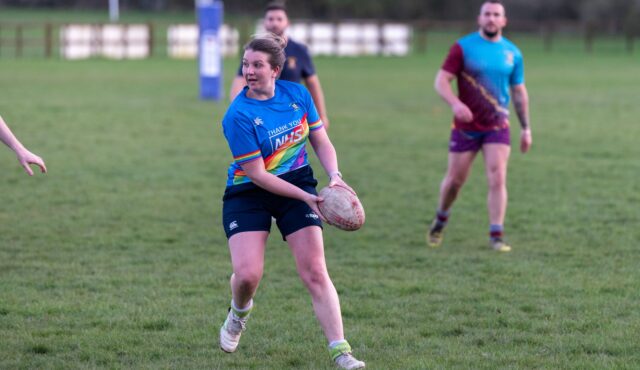
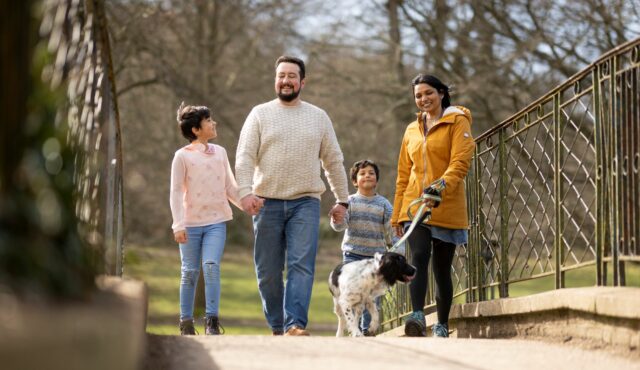
In my role as Place Programme Manager, I’m constantly reminded that sport and movement are about so much more than health and fitness. They’re about belonging.
That idea of belonging is something I think about often, both professionally and personally. As someone from the queer community, I’m very aware that not everyone always feels able to show up as their full self in every space. While I’ve been fortunate to work and take part in many positive and inclusive environments, there have been moments where I’ve questioned how open I can be, or how I might be received.
I remember attending a local session when I was younger where I didn’t know anyone. It was meant to be informal and welcoming, but when I arrived, there wasn’t really an introduction or any effort to bring new people in. Everyone else seemed to already know each other. In that moment, I felt like an outsider, and it made me more conscious of how I presented myself – what I said, what I didn’t say, and whether I felt comfortable being fully open about who I am. It would have been very easy to turn around and not go back.
What made the difference was one person taking a moment to come over, say hello, and make a simple introduction. It wasn’t a big gesture, but it completely changed how comfortable I felt, and I did go back.
That experience has really stayed with me. It reminded me just how much the smallest actions matter and how easily someone’s experience can go either way.
Pride Month offers an important moment to reflect on this. It’s a time to celebrate progress, but also to acknowledge that for many LGBTQ+ people, sport and physical activity spaces don’t always feel safe, welcoming or inclusive.
For some, stepping into a gym, joining a club or taking part in a team activity can come with an added layer of anxiety. Will I be accepted? Can I be myself here? These are questions that no one should have to ask when simply trying to be active.
The truth is, inclusion doesn’t happen by accident. It’s intentional.
In my role, I see the difference that small, thoughtful actions can make. Creating inclusive environments isn’t always about large-scale change. Often, it’s the everyday behaviours and signals that matter most: the language we use, the way we welcome new participants, the assumptions we challenge, and the effort we make to ensure everyone feels seen and respected.
I’ve seen firsthand how even small shifts, like a more thoughtful introduction, clearer messaging, or simply taking the time to listen, can change someone’s entire experience of a space. Those moments can be the difference between someone coming back or deciding that a space isn’t for them.
For LGBTQ+ individuals, representation and visibility are key. When people can see themselves reflected, whether that’s in leadership, coaching, or marketing materials, it sends a powerful message: you belong here. Equally important is the confidence that if something isn’t right, it will be addressed.
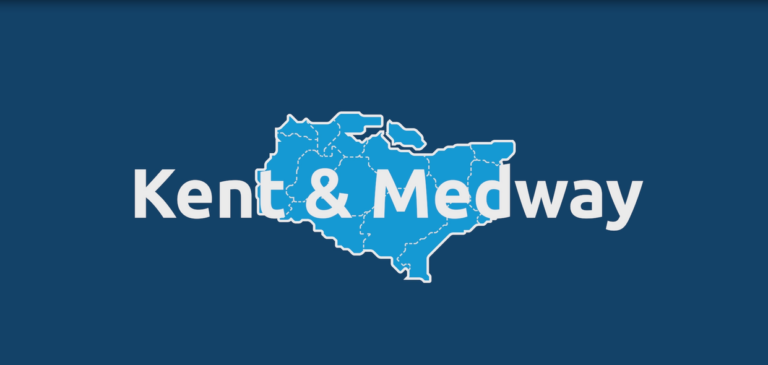
I’m always inspired by the organisations and clubs across Kent and Medway who are taking steps to be more inclusive, whether that’s through training, reviewing policies or simply having open conversations. It can feel daunting at first, but the impact is real and lasting.
For anyone working in sport and physical activity, my encouragement would be this: start where you are. You don’t need to have all the answers, but a willingness to listen and learn goes a long way. Engage with your participants, seek out guidance and be open to change. Everyone deserves to feel comfortable, confident, and included when being active. Pride Month is a reminder of that, but it’s something we should strive for all year round.
Published: June 2026.
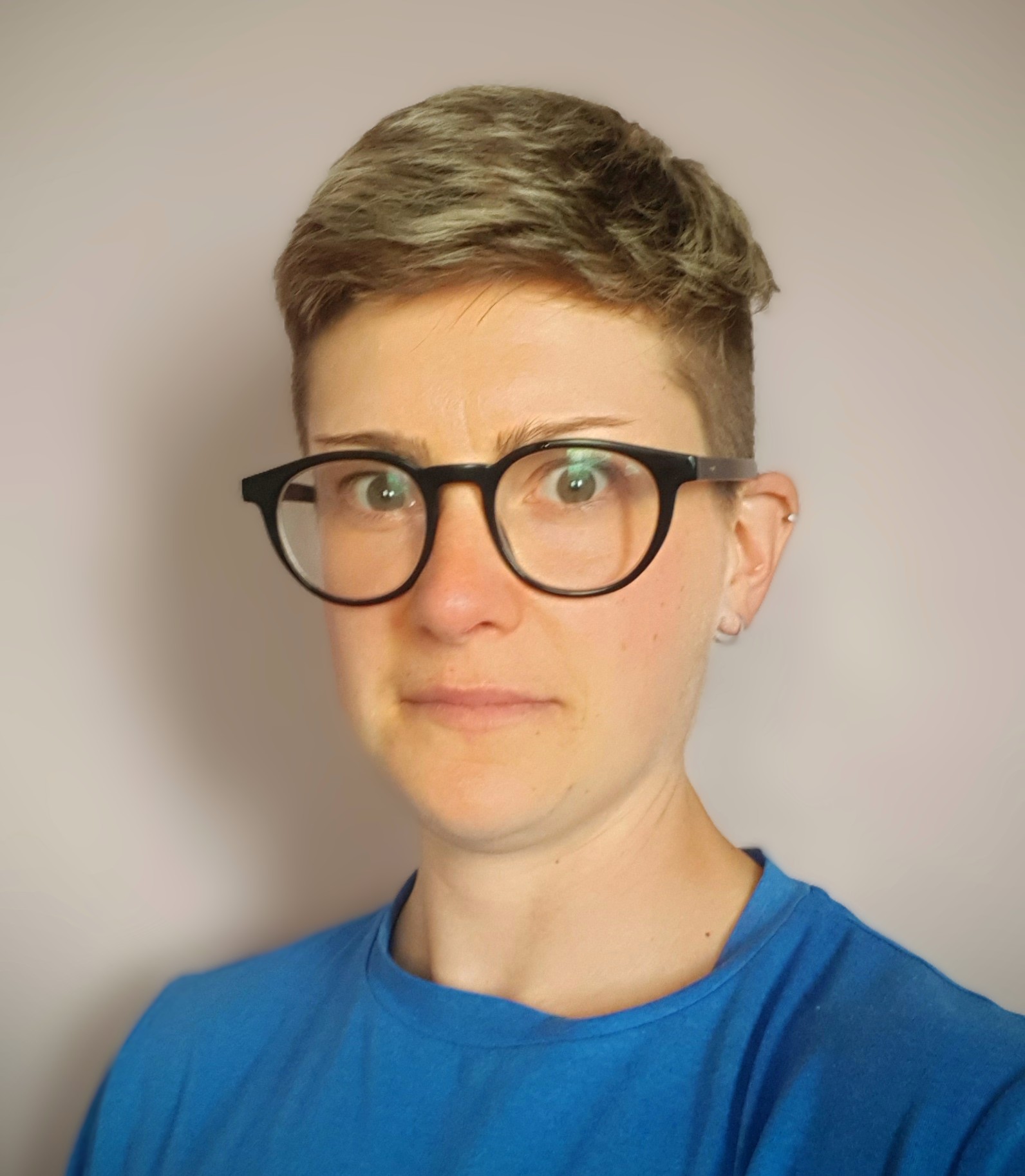
Carly Miles
Place Programme Manager (Swale)
- Tel: 03000 417910
- Email: carly.miles@kent.gov.uk
"Outside of work I enjoy keeping active by going to the gym, running and taking regular walks."